
Whoa! I installed Phantom last year and have used it nearly every day. It was quick, clean, and had that designer polish you really want. At first I assumed browser wallets would always feel clunky, but Phantom upended that assumption with a smart UI and fast transactions that felt genuinely thoughtful, the kinds of defaults that suggest the designers actually use crypto, not just theorize about it. Still, something felt off about one small permission flow, and my instinct said pay attention—so I started poking around more carefully.
Seriously? Over the months my trust grew, and my stash on Solana increased. I loved the token management, the NFT support, and the smooth swap feature. But I also started to test its limits—connecting to all sorts of dApps, moving funds via bridges, and trying strange approvals that showed how often users click accept too fast. On one hand Phantom makes things accessible, though actually I kept circling back to the same trade-offs between convenience and control.
Hmm… Initially I thought the extension would be a no-brainer for newcomers. Then a couple of odd pop-ups and a confusing approval wording made me pause. Actually, wait—let me rephrase that: the requests themselves were logical, but the microcopy and context lacked cues for less-experienced people, which can lead to mistakes if someone is distracted or in hurry. That’s where education, small UX nudges, and better defaults matter a ton.
Here’s the thing. Phantom balances simplicity with advanced control better than many competitors in this space. Its account management, hardware wallet integrations, and seed phrase flow are straightforward and respectful of users’ time. I ran hardware wallet tests with Ledger (I’m biased toward Ledger, but that’s personal) and while integration worked, device prompts sometimes lagged behind the extension and that delay made me hold my breath a few times. Those little moments inspired cautionary habits I still use.
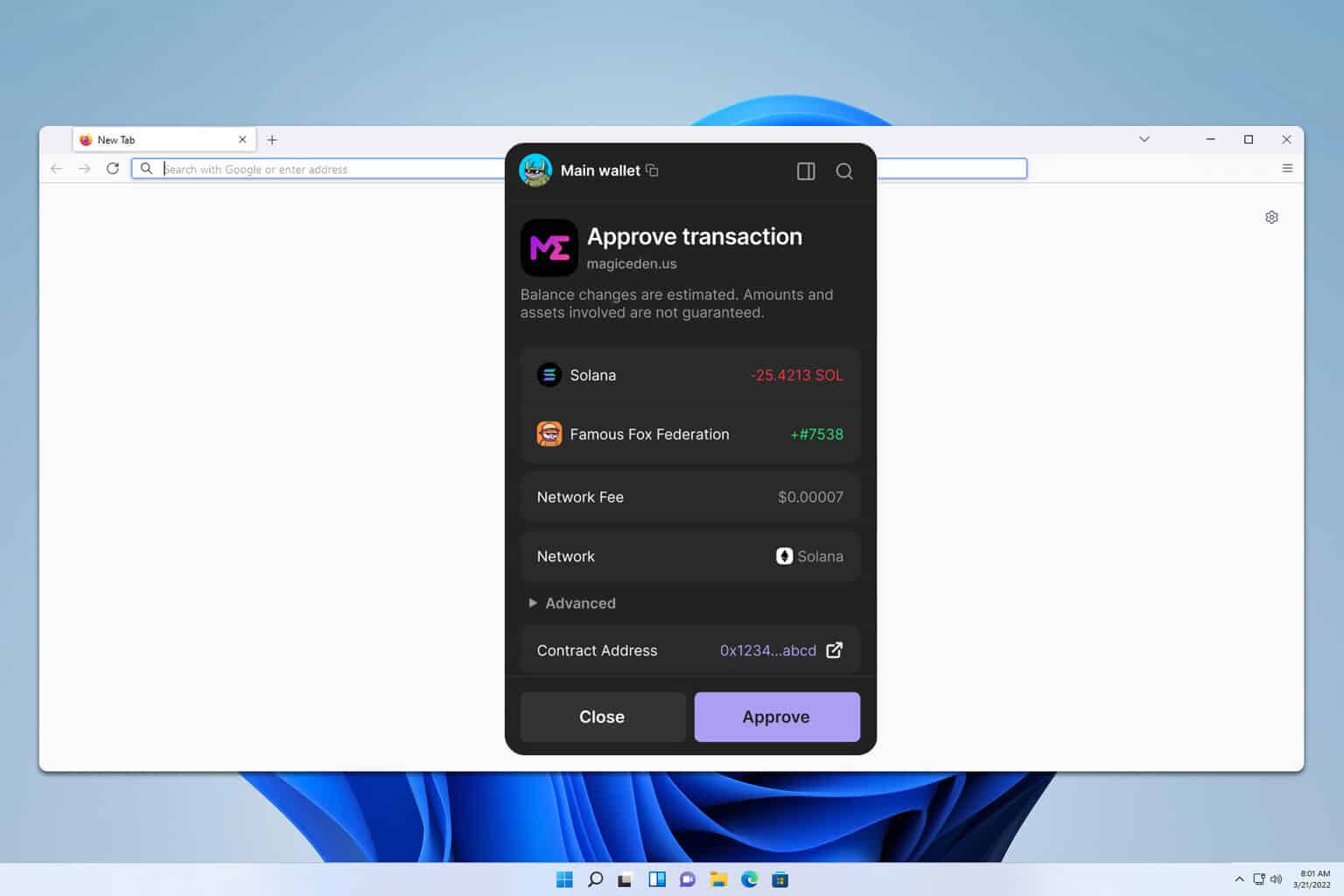
Wow! Tip one: always verify the exact domain when approving connections or transactions. Tip two: use a hardware wallet for larger holdings, even within the Solana ecosystem. Tip three: when a dApp requests broad approvals, don’t reflexively click approve—review the smart contract address, check reputational threads, and if unsure, pause and research. These sound basic, though very very many users skip them; I learned that the awkward way.
I’m not perfect. I once imported an old key and left some low-value tokens exposed, which was annoying and taught me to segregate funds by risk. On the technical side, Phantom’s speed comes from Solana’s architecture—cheap, fast transactions—but that doesn’t remove UX pitfalls around approvals, nor does it replace the need for secure backups and extension hygiene, so you still need to be proactive. If you want to try it, here’s a straightforward place to start.
Get the extension
I recommend installing from the official source: phantom wallet download extension —that’s the safest route to avoid fake copies and shady mirrors.
Check this out—installing from a verified link cuts a lot of messy risk. I recommend also checking community channels and the official repo when in doubt. That reduces malware risk and helps you avoid impersonator extensions that pop up from time to time. If you are comfortable with a browser-extension model, Phantom gives a clean blend of usability and depth, but if you’re ultra-paranoid about web-exposed keys, use a hardware signer and treat the extension more as a desktop viewer than full custody.
Really? Developers and community moderators should be watching for malicious dApps and supply-chain issues. Community reporting channels often surface problems quickly, and they help coordinate responses when something smells phishy. On the flip side, Phantom’s open-source elements allow audits and scrutiny, though audits are snapshots and can’t guarantee safety forever as dependencies and ecosystems evolve. So stay informed, read release notes, and keep redundant offline backups.
I’m not 100% sure, but a lot of attacks hinge on wording and rushed UX. Some microcopy still confuses new users—fee prompts and token authority language are examples. Improving that copy and adding contextual help could reduce scams a ton. Initially I thought polished UI equals safety, but I realized polished aesthetics can hide risky defaults and induce overconfidence; designers should add guardrails and safer defaults where possible.
Okay. Final practical notes: use a password manager and unique passwords for your associated accounts. Turn on any domain verification or address-book features when available. I personally keep a small hot wallet for experiments, a main account with hardware signing, and an offline cold backup written on paper and stored securely, which feels like a reasonable mix for hobbyists and more serious users alike. This approach has saved me from a few near-misses, and yeah, I’m biased toward caution.
Common questions
Is Phantom safe for beginners?
It can be, if you follow basic precautions: verify install sources, use hardware wallets for significant funds, and slow down on approvals. New users should treat any approval as potentially irreversible and ask questions in community forums before approving wide authorities. Also, somethin’ I tell pals: don’t keep everything in one spot.
Should I use Phantom across multiple browsers?
Yes, but with care. Syncing across browsers is convenient, though each browser’s extension sandbox differs, and permission models can vary. I run Phantom on one main browser and a separate testing profile for experimental dApps; that separation has prevented a handful of accidental approvals.